How We Approach AC Installation in Beverly Homes
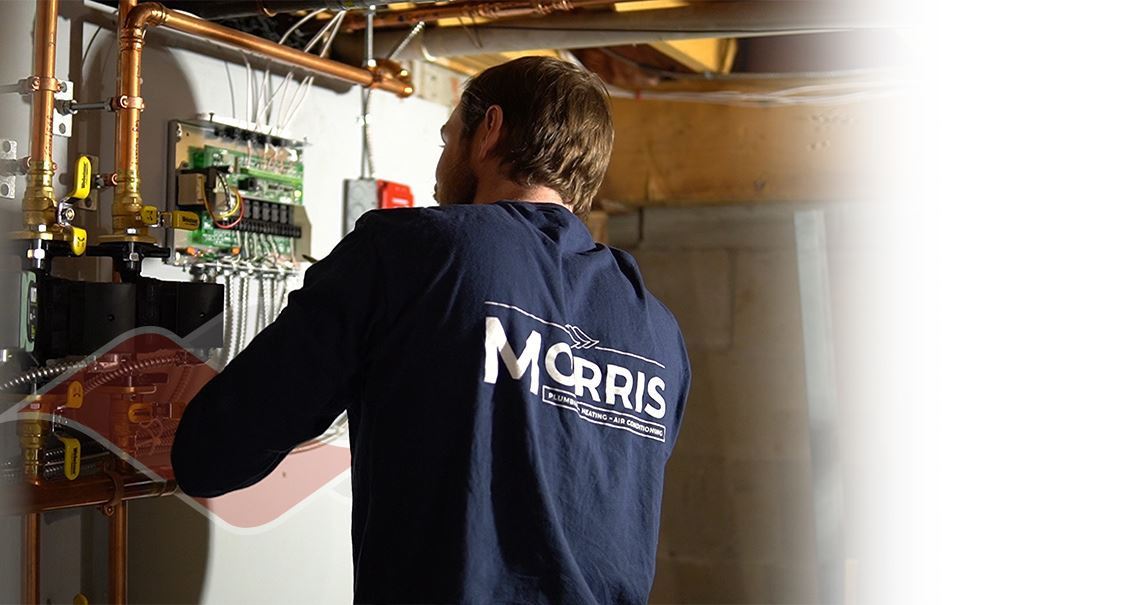
Before recommending any system, we evaluate the whole home. That means reviewing ductwork condition, electrical supply, insulation levels, and how different rooms are used throughout the day. Beverly’s housing stock ranges from historic properties built well before central cooling was standard to newer construction designed with HVAC in mind. Each type presents different constraints, and the approach has to match the home.
Sizing, Upgrades, & Coastal Considerations
Older homes may need ductwork, ventilation, or drain-line upgrades before a new system can perform as intended. Newer homes often support higher-efficiency options and smart thermostat controls that older configurations can’t accommodate. Proper sizing is one of the most consequential decisions in any installation. A unit that’s too large short-cycles and leaves humidity problems behind; one that’s too small runs constantly without reaching the set temperature. We match system capacity to the home’s actual square footage, insulation, and window exposure.
Beverly’s coastal location also factors into outdoor unit placement and material selection. Salt air accelerates wear on standard equipment, so corrosion-resistant components and careful siting of the outdoor unit are part of every installation we do here.
What Happens After Installation
Once the system is in, we test every function, balance airflow throughout the home, and walk the homeowner through thermostat and smart control operation before we leave. We also introduce the MorrisCare Maintenance Program at that point, so homeowners have a clear path to keeping the new system running reliably season after season.
Not every failing AC needs replacement, and we won’t recommend a new system when a targeted repair makes sense. What we do provide is an honest comparison. When we evaluate an existing unit, we look at its age, how often it’s needed repairs in recent seasons, parts availability, current energy usage, and whether it’s still holding the temperatures it’s set to reach.
Several patterns point toward replacement rather than another repair:
- Age over 10 years with multiple recent repairs: Repeated service calls on an aging unit signal declining reliability across the system, not an isolated component issue.
- High utility bills without increased use: Consistent efficiency loss means the system is working harder than it should to deliver the same output.
- Refrigerant leaks, unusual noises, or failure to hold temperature: These symptoms of deterioration can be addressed temporarily with repairs, but repairs don’t resolve the underlying wear.
- Repair costs approaching a significant share of replacement cost: When that ratio tips, a new system becomes the more cost-effective path over the next several years.
When replacement can reasonably be deferred, our technicians can walk through steps to extend the current system’s lifespan. We won’t push replacement when it isn’t warranted.
Don't Take our word for it
Our customers love us!
At Morris Plumbing, Heating & Air Conditioning, your satisfaction is our priority! See for yourself what our customers have to say about working with us.
-
"Happy Customer"
Very professional and courteous
- Joyce Foster -
"We could not have asked for a better team and are very happy that we decided to trust Morris to get the job done."
We could not have asked for a better team and are very happy that we decided to trust Morris to get the job done.
- The Lim Family -
"Very knowledgeable and helpful"
They were prompt, diligent workers and they did their job well. We are very happy with our new Propane furnace!
- David R. -
"Always good customer service, responsive staff, reliable. Sammy always does a great job with my maintenance."
Always good customer service, responsive staff, reliable. Sammy always does a great job with my maintenance. Explains all ...
- Paul Needham

-
Areas We Serve
-
MorrisCare Program
-
Financing
Expert Service For Your HVAC and Plumbing Needs